halftone
(unfiled)
I sort of work at a bookstore and some of the books are very pretty.
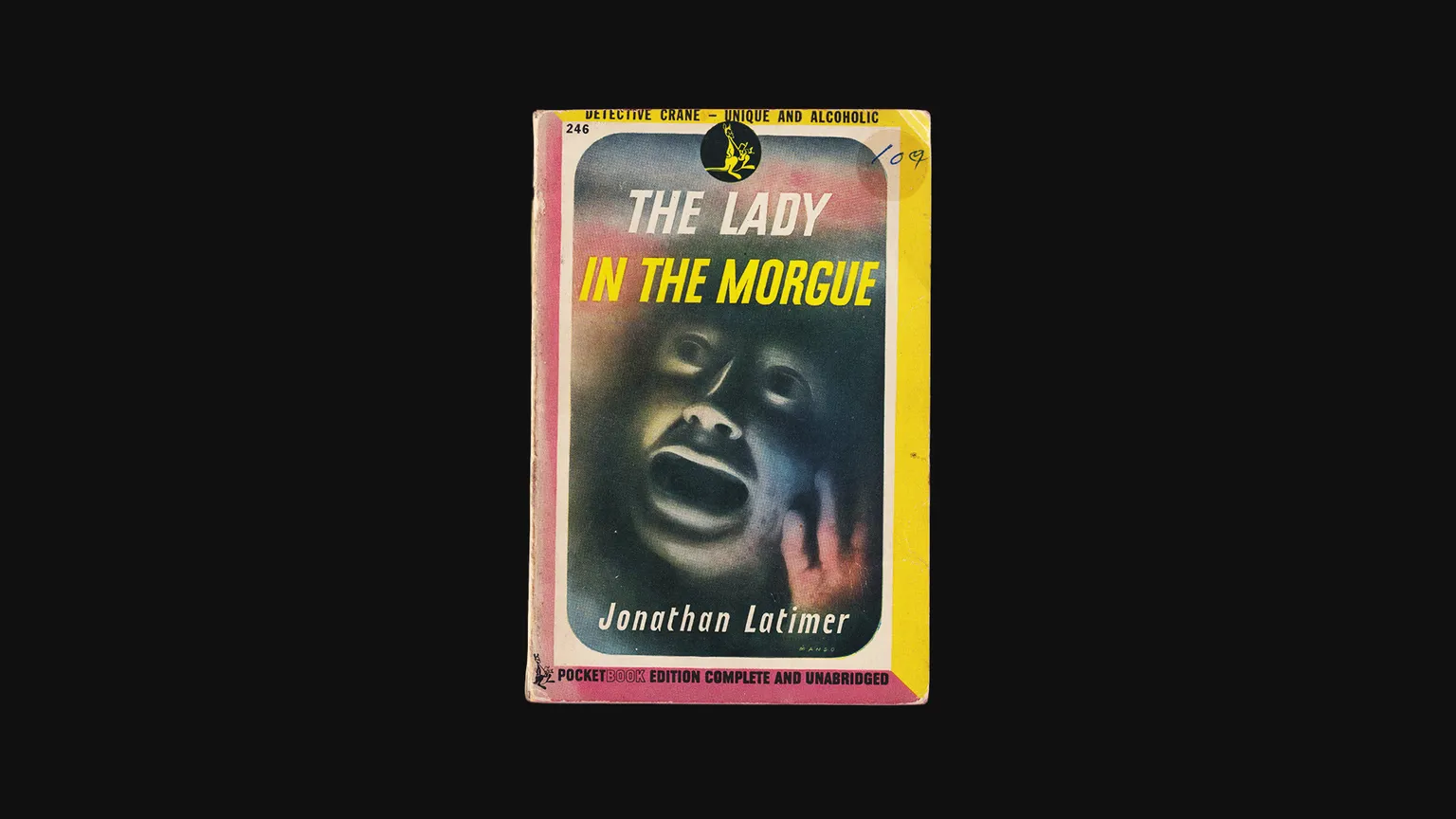
Hmmm. Let’s zoom in a bit.
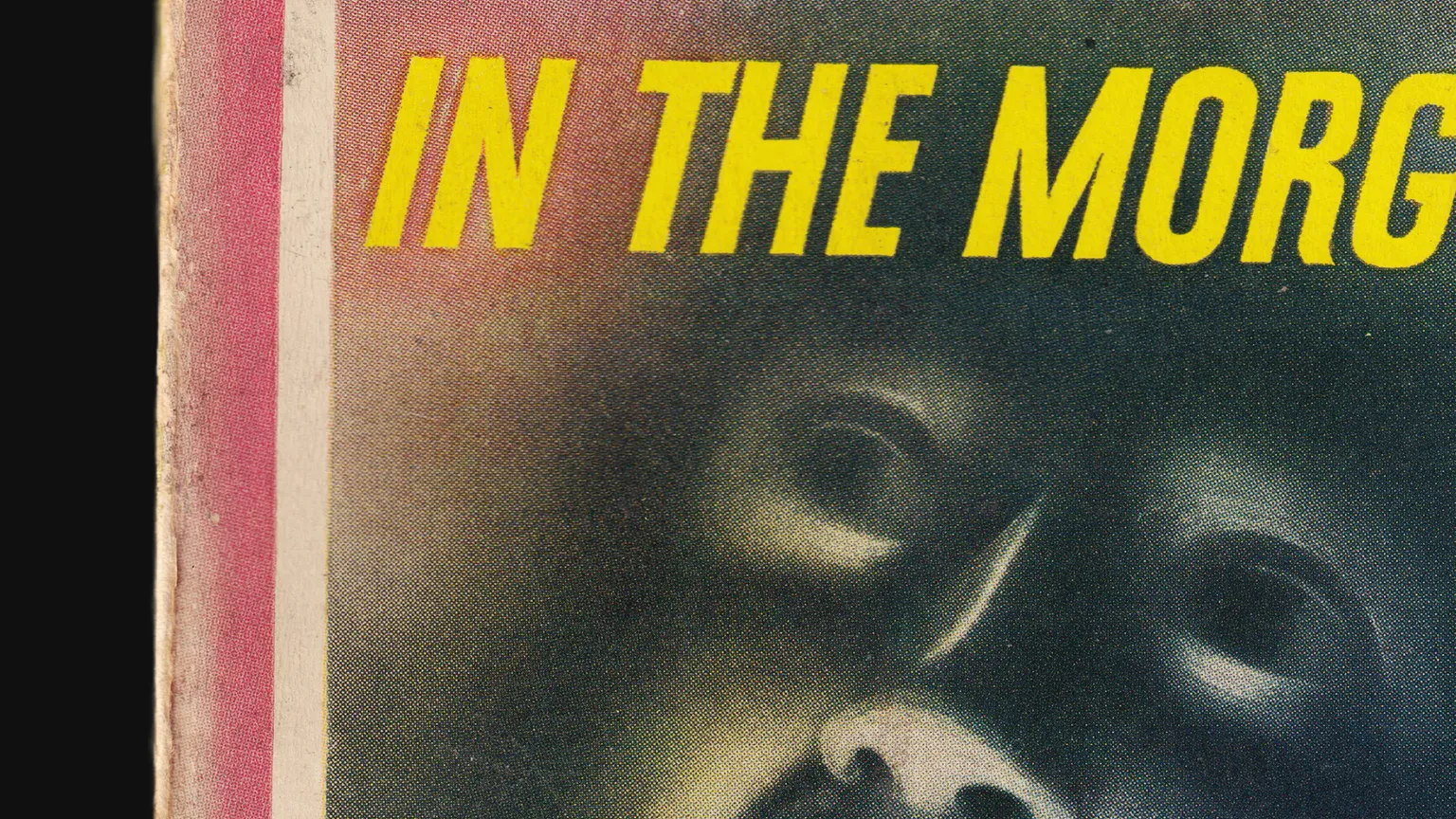
Okay a bit more.
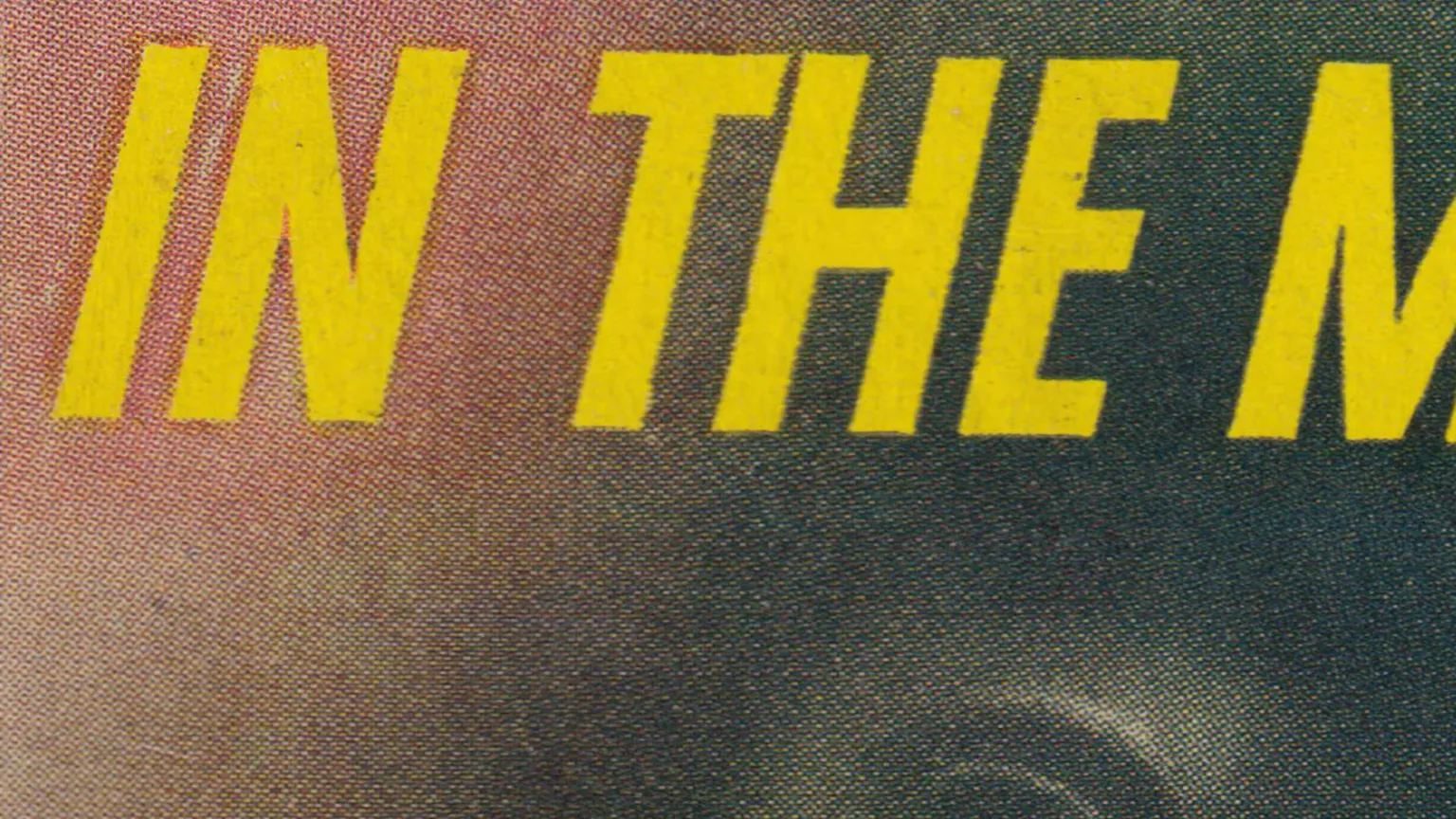
What’s that pattern?
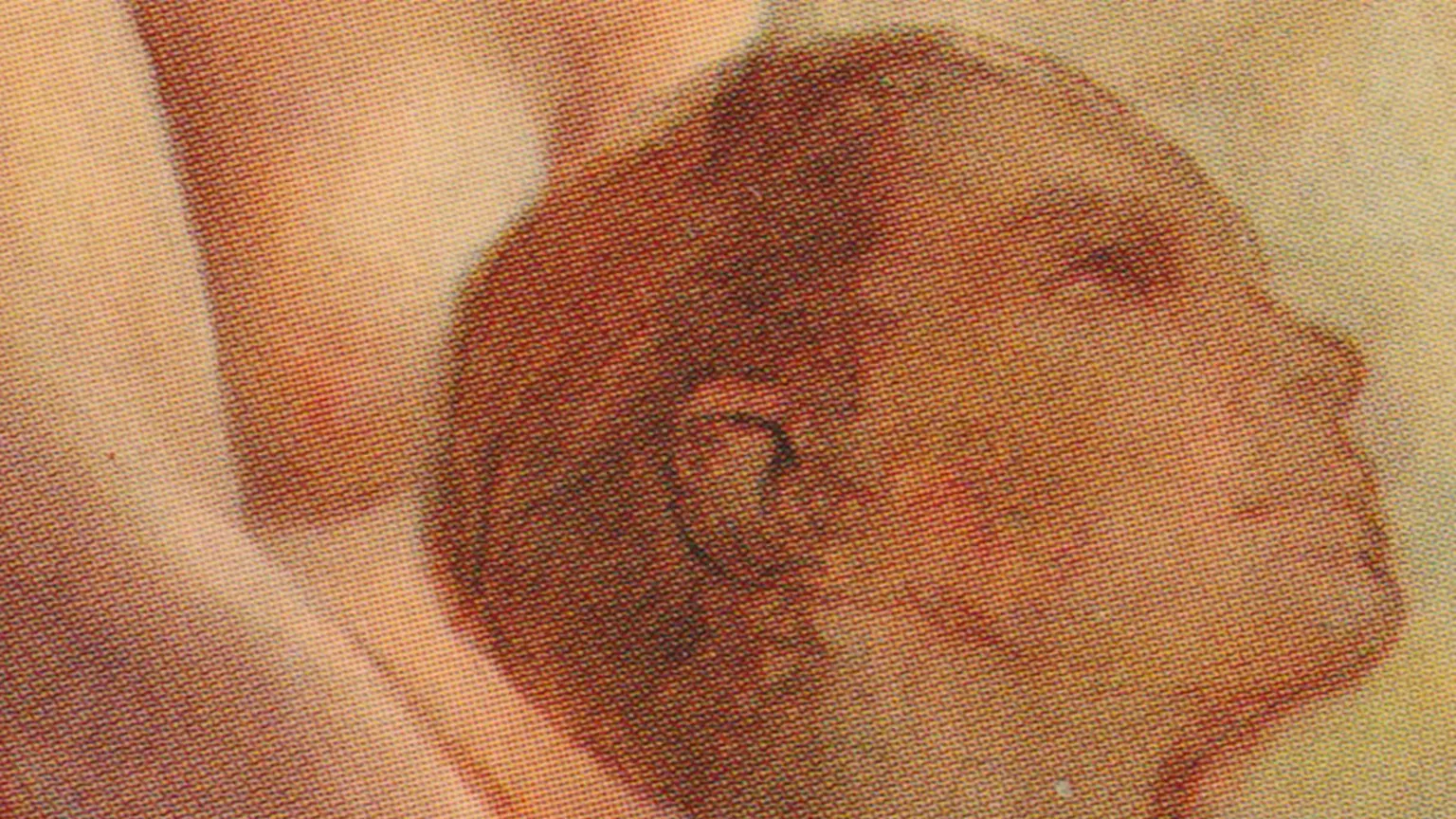
It’s everywhere.

origins §
It’s 1934 and Allen Lane is dreaming of Joyce’s Ulysses†. He wants the publishing rights to the first authorized printing in the UK, but his company, The Bodley Head, is nearly bankrupt. Returning from a visit to see Agatha Christie, he browses the Exeter Railway Station for something to read and finds only shoddy reprints. And he has an idea.
He assembles his brothers and a few coworkers and pitches a new series: paperback, high-quality contemporary fiction for 10 cents apiece. First prints of good books at the time were typically sold as $2-3 hardcovers ($50-75 today), as most publishers don’t believe there was sufficient public interest to warrant printing low-margin paperbacks. Allen does. His secretary suggests the name Penguin. They send their junior editor, Edward Young, to the London Zoo with a sketchbook.‡
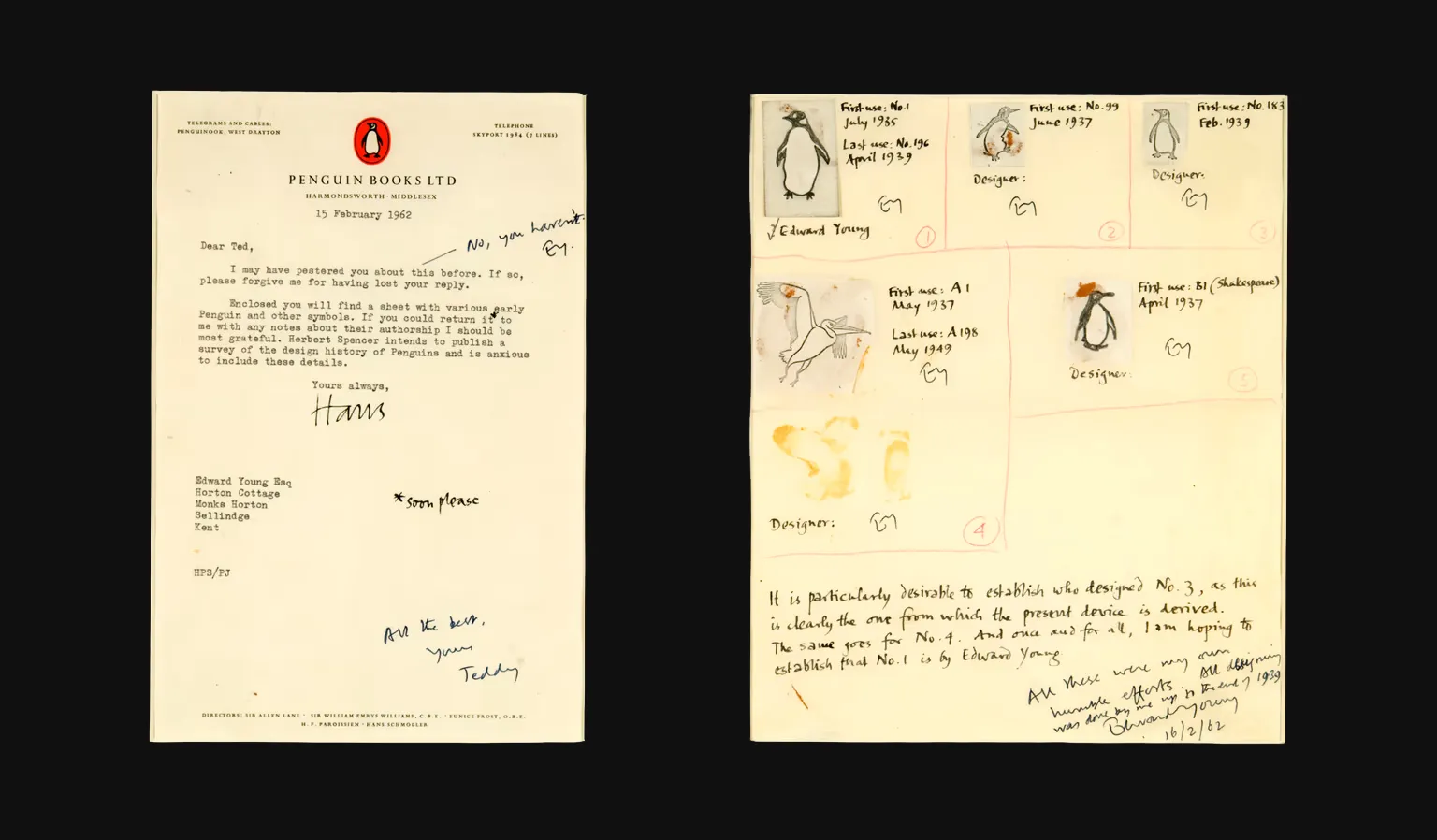
The board rejects his idea, so Allen funds it himself. By the end of the year, Penguin Books has twenty books published and over a million copies sold. Four years later, Penguin is everywhere, and newlyweds Ian and Betty Ballentine are sent to New York to establish an American branch.§
Pocket Books, funded by Simon & Schuster, is also in New York, although their colophon depicts a kangaroo named Gertrude and not a penguin named Alan. Pocket and Penguin both print on cheap, untreated wood-pulp paper with glued spines and tiny margins, although Pocket runs even smaller (4.25in x 6.5in) compared to the A-Format (4.375in x 7in) used by Penguin. But the most apparent difference is in the cover.
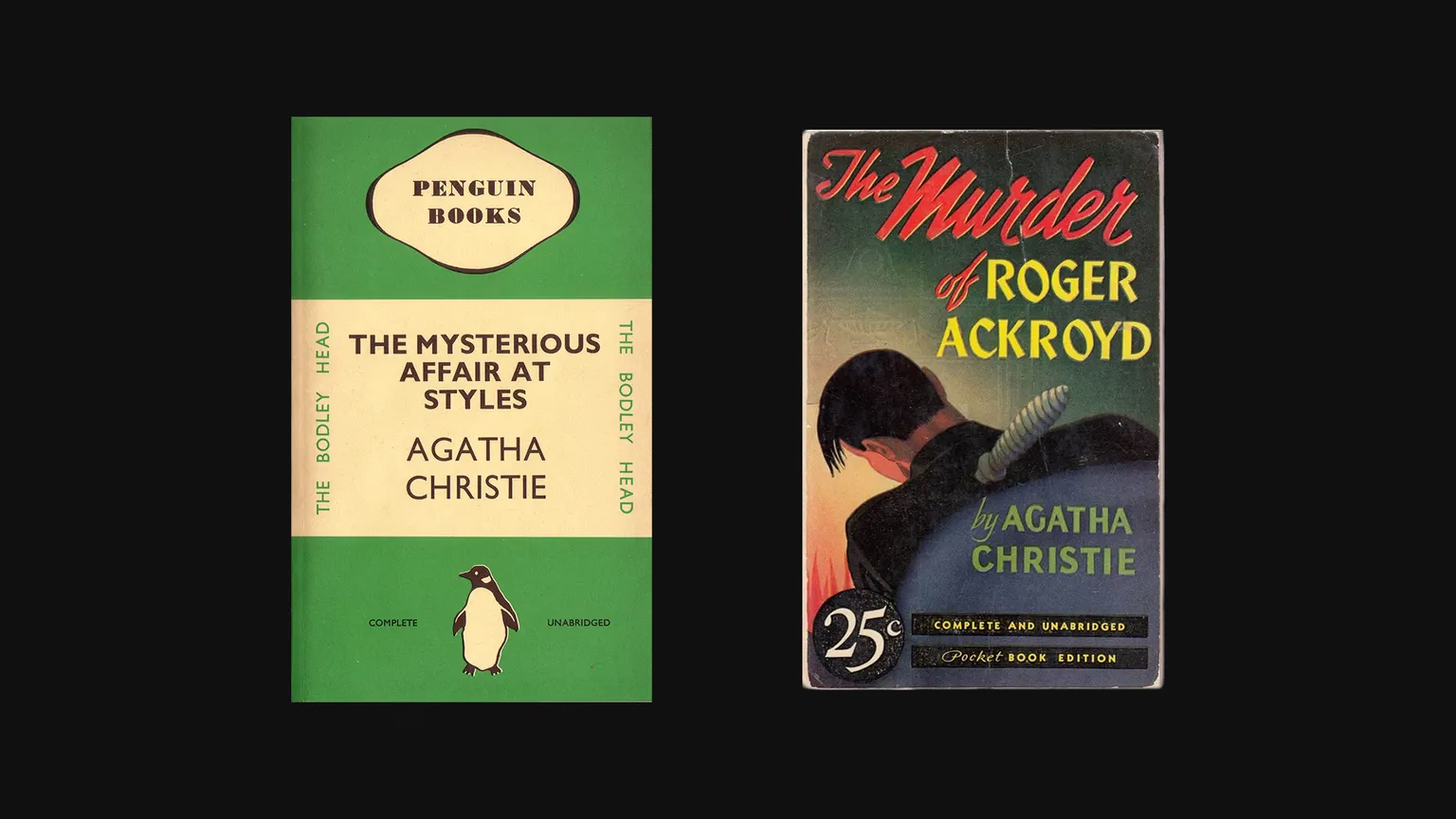
Penguin wants to bring dignity to the overlooked paperback and opt for simple typography with plain color-coded bands by genre. Pocket look at their vendors—newsstands, subway stations, and drugstores—and realize they are something entirely new: not quite a magazine, yet long departed from the austere hardcover. They don’t even sell in bookstores initially.
color §
Pocket decide they need to stand out, or, as Ian Ballentine put it, “appeal to American tastes”.